Designing the Ideal Personalized Fresh Boxes: A Step-by-Step Guide
Building custom produce boxes calls for a strategic strategy. Professionals must examine sustainability, functionality, and visual appeal. Selecting the right components is crucial for maintaining quality and supporting eco-friendly methods. Additionally, size and shape can significantly impact ease of use and shipping efficiency. Effective visual elements strengthen company recognition, while thorough assessment ensures longevity. Understanding these components will uncover critical understanding into producing exceptional packaging strategies that appeal with customers. What comes next is vital to accomplishing those goals.
Picking the Ideal Materials for Custom Produce Boxes
When evaluating materials for custom produce boxes, it is crucial to examine both functionality and eco-friendliness. The selection of material significantly influences the box's durability, weight, and ability to shield the contents. Common materials feature corrugated cardboard, which delivers strength and is environmentally recyclable, making it a favored choice for eco-conscious businesses. Biodegradable options, such as molded pulp or plant-based plastics, also promote sustainable practices while delivering appropriate protection for delicate produce.
Furthermore, water repellency is essential for preserving quality, prompting some manufacturers to investigate processed substrates or specialized coatings. The visual attractiveness of the box should not be overlooked, as branding and visual presentation can affect customer outlook. Ultimately, the appropriate choice should find equilibrium between safeguarding the product, attracting consumers, and meeting sustainability requirements, ensuring both functionality and sustainability are prioritized in the development phase.
How to Identify the Right Size and Shape for Functionality?
When determining the form and dimensions of custom produce boxes, careful assessment of produce measurements is crucial for proper storage. Additionally, considerations for movement and transportation can affect the box structure, ensuring ease of movement. Optimizing storage space utilization further improves functionality, enabling efficient display and storage.
Review Produce Dimensions With Care
Selecting the right dimensions for produce boxes is crucial for functionality and efficiency. Accurate assessment of produce dimensions is vital, as it ensures that items fit securely without excess space that could result in damage during shipping and storage. Tailored containers need to accommodate various shapes, from delicate berries to large produce, while maintaining physical strength. Additionally, the dimensions of the boxes should enable stacking and organization, optimizing space in warehouse facilities. A well-designed box not only safeguards the produce but also improves aesthetic presentation for consumers. Ultimately, careful consideration of dimensions contributes to reducing waste and enhancing customer satisfaction in the distribution network.
Review Handling and Transport Procedures
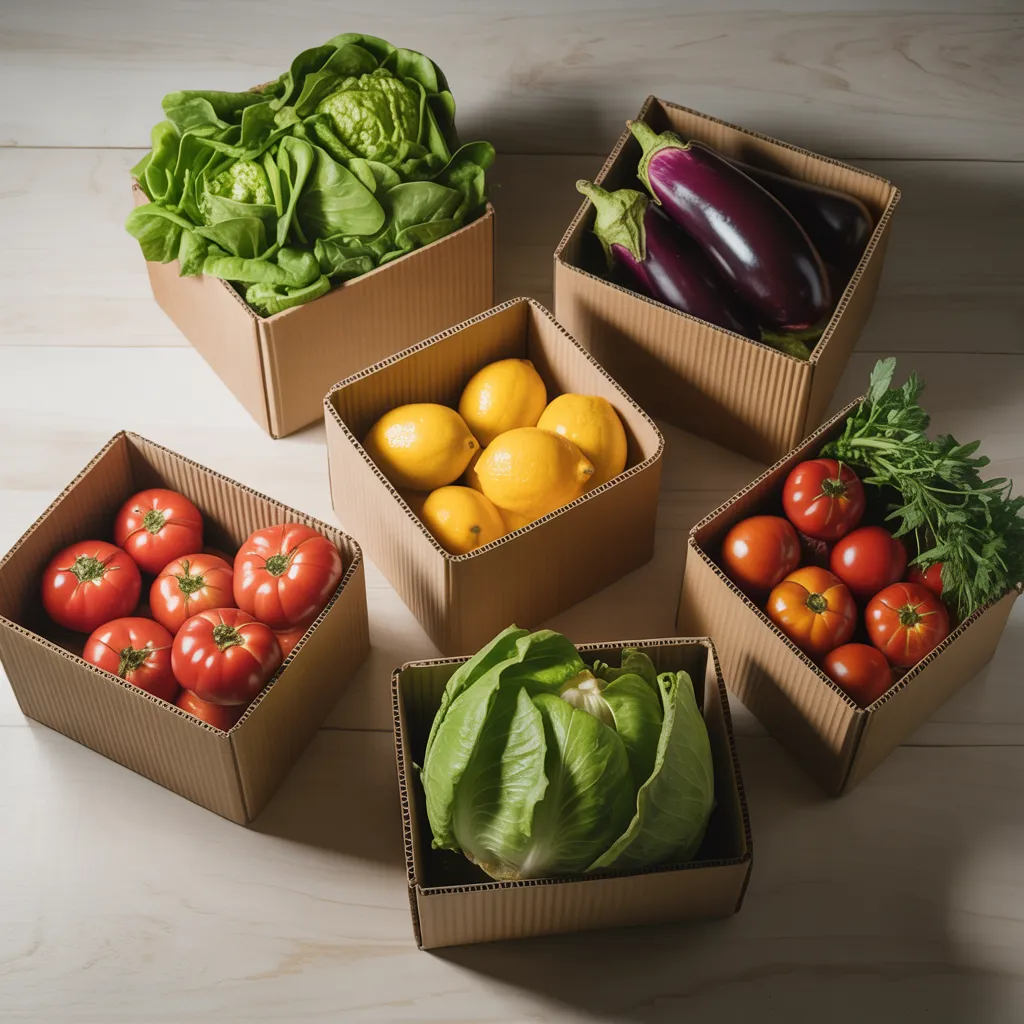
Handling and shipping factors play a significant role in establishing the appropriate size and shape of custom fresh product boxes. The measurements must accommodate the produce without unnecessary space, which could lead to shifting and harm during transport. Smaller, compact boxes enable easier handling, while larger boxes may be required for larger items. Additionally, ergonomic design is crucial; handles or openings should be strategically placed to allow for easy lifting and carrying. The shape of the box also affects stacking and stability, ensuring that products remain secure. Ultimately, thoughtful evaluation of these elements enhances the effectiveness of transport, minimizes product loss, and maintains the overall integrity of the produce from farm to consumer.
Optimize Shelf Space Utilization
Maximizing shelf space usage is contingent upon picking the correct size and shape of custom agricultural containers. Design teams should evaluate the size specifications of the shelving units as well as the types of crops being arranged. Rectangular boxes often enhance room optimization, permitting for more straightforward organization and positioning. Alternatively, non-standard forms can heighten visual appeal but may create lost capacity if not strategically planned.
It's vital to scrutinize the inventory turnover rate; products with slower velocity might take advantage of compact, readily accessible boxes. Furthermore, introducing flexible or customizable structures can accommodate varying product dimensions while refining shelf layout. By prioritizing aesthetic and functional qualities, retailers can establish a practical and aesthetically pleasing presentation that enhances both ease of access and promotional impact.
How to Produce Graphics That Seize Focus?
Engaging visuals can transform a simple custom produce box into a visual masterpiece that attracts interest. To achieve this, designers should begin by selecting a color palette that reflects the freshness and vibrancy of the produce. Bright, striking colors can inspire feelings of freshness and wellness, compelling consumers to take a closer look.
Strong typefaces remains equally important; clear and legible fonts can successfully convey essential information while enhancing visual appeal. Moreover, using superior photographs of the produce can create an immediate connection, showcasing the item's caliber and compelling prospective customers.
Furthermore, introducing unique patterns or illustrations can help set apart the brand in a busy market. Consistency in graphic components, such as logos and taglines, reinforces brand identity. Ultimately, a blend of creativity and clarity in graphic design can greatly elevate the power of custom produce boxes, making them gain attention on shelves.
Eco-Friendly Practices for Personalized Produce Box Packaging Solutions
An growing number of businesses are introducing sustainable solutions for custom produce box packaging, recognizing its importance in today's green-minded market. These practices often include the use of biodegradable materials, such as recycled paper and plant-based plastics, which minimize environmental impact. Companies are also focusing on responsible procurement, ensuring that materials are obtained from responsibly managed forests or suppliers who prioritize environmental stewardship.
Additionally, many brands are choosing minimalistic designs that decrease waste while still successfully displaying their products. This strategy not only appeals to eco-conscious consumers but also aids in cutting down production costs. Moreover, businesses are progressively implementing streamlined manufacturing processes that limit energy consumption and waste generation. By integrating these sustainable practices, companies not only improve their brand image but also contribute positively to the planet, aligning their operations with a sustainable future.
Verify Your Made-to-Order Produce Box Design
Reviewing the design of bespoke vegetable packaging is an significant phase in assuring they fulfill both aesthetic and functional standards. This process generally involves studying factors such as robustness, size, and practical use. First, working models need to be developed to evaluate the box's structural integrity, ensuring it is able to handle shipment and preservation without compromising the produce.
Following this, usability assessments can be executed to measure how smoothly the boxes can be opened, closed, and layered. Suggestions from target consumers can be essential in this period, delivering knowledge of the box's practicality.
Moreover, the visual attractiveness of the design should be assessed through focus groups or surveys, determining customer feedback to brand identity elements, hues, and complete visual presentation.
Ultimately, thorough evaluation enables designers to improve the box, guaranteeing it not only appeals to customers but also properly safeguards and presents the produce within, maintaining the right equilibrium between form and function.
Advertising Your Custom Produce Boxes Effectively
Effective marketing of personalized produce boxes necessitates a strategic approach refer to this page that highlights their distinctive advantages and value. Organizations must focus on pinpointing their target audience, including local farms, grocery stores, or individual consumers. Utilizing social media platforms can enhance market visibility, showcasing the boxes' appearance and functionality through engaging visuals and storytelling.
Moreover, partnering with local influencers or farmers can improve credibility and expand reach. Providing promotions or discounts during peak seasons can attract initial customers and encourage repeat business.
Furthermore, promoting sustainability and eco-friendliness in promotional messaging can engage sustainability-focused buyers. Communicating detailed information about the materials used and the benefits of bespoke packaging designs can further set apart the brand in a saturated marketplace.
In the end, a detailed marketing strategy that merges internet-based and community-based undertakings will efficiently market custom produce boxes, appealing to a wide-ranging clientele and driving sales.
Frequently Asked Questions
What Are the Charges Related to Custom Produce Box Design?
Fees part of custom produce box design include materials, print services, labor, and delivery costs. Moreover, design expertise and batch minimums can affect overall costs, leading to fluctuating prices based on specific needs and production scale.
How much time Does It Take to Create Custom Boxes?
Manufacturing of custom boxes typically requires two to six weeks. Key factors shaping this timeframe encompass design complexity, sourcing of materials, and manufacturing output, all of which can influence delivery schedules and lead times.
May I Place an Order for a Minimal Quantity of Bespoke Produce Boxes?
Yes, limited amounts of bespoke produce containers can typically be placed. Many suppliers offer baseline order amounts, enabling businesses or individuals to acquire tailored packaging solutions without having to dedicate to significant quantities initially.
What Common Blunders Must Be Prevented in Made-to-Order Box Design?
Common errors in custom box design include overlooking functionality, disregarding brand consistency, undervaluing material quality, not considering target audience preferences, and disregarding environmental impact. Each aspect is essential for effective packaging and customer satisfaction.
How Do I Confirm That My Boxes Are Safe for Food?
To verify boxes are food-safe, one needs to select substances qualified for food contact, avoid toxic inks and adhesives, maintain cleanliness during production, and periodically assess for compliance with health regulations and safety standards.